Atlanta Tech Week 2026: Recap
Atlanta Tech Week and RenderATL once again proved why the "Silicon South" has become one of the premier epicenters for technical innovation and creative culture.
Across five dynamic days, the city brought together software engineers, creative directors, founders, emerging scholars, and enterprise leaders around a compelling shift: What happens when cultural momentum, developer craftsmanship, and real-world technology intersect?
From empowering the next generation of digital leaders to reinventing software development pipelines with agentic AI, WPP Enterprise Solutions and our technology partners were on the ground exploring the shifts defining our industry.
Below is an inside look at the conversations, workshops, and architectural principles that shaped our week—culminating in an exclusive perspective from David Mitchell, CTO of WPP Enterprise Solutions North America, on running agentic AI in production through our partnership with AWS.
1. The Energy of the Silicon South: Cultivating Emerging Talent
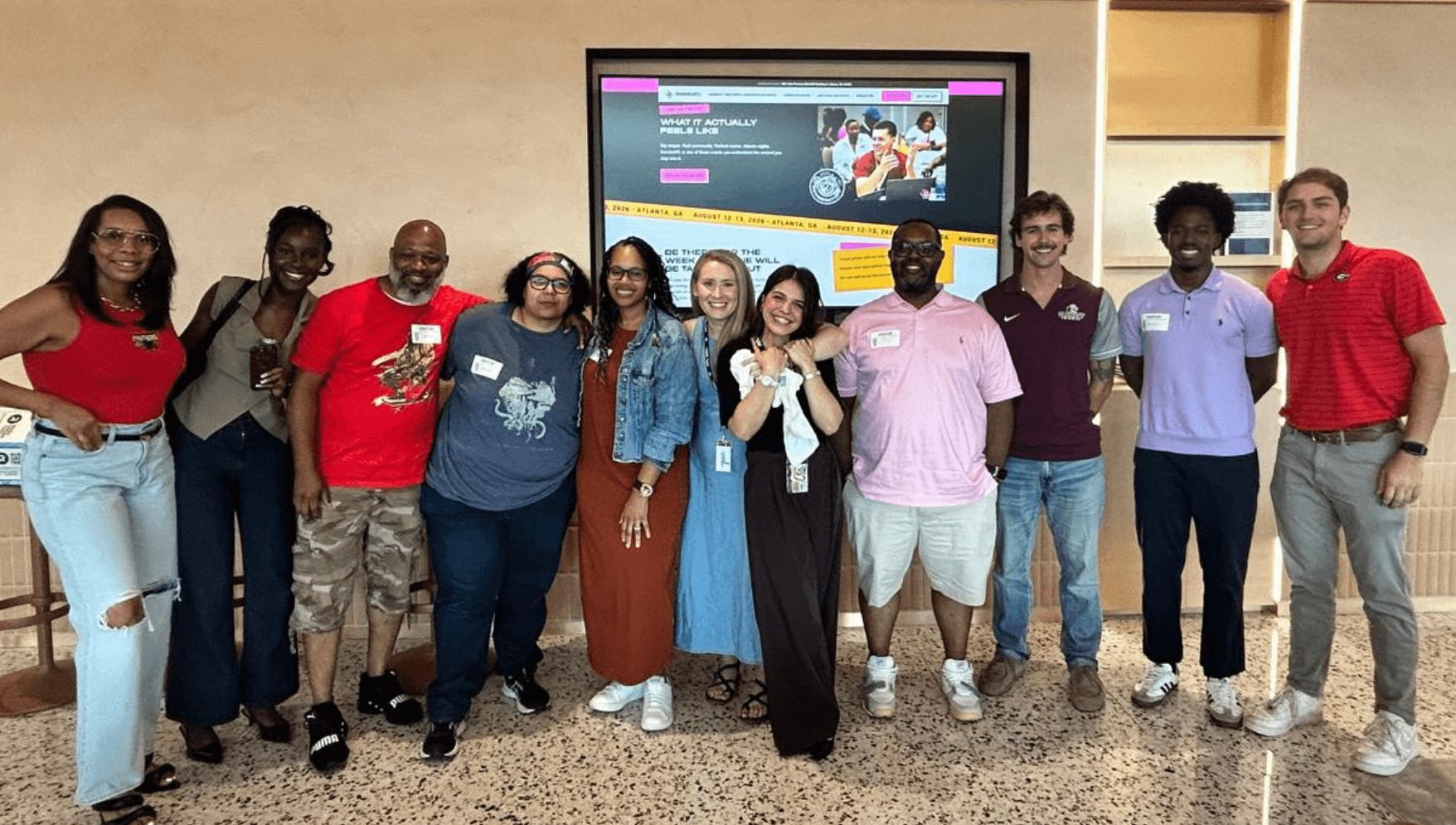
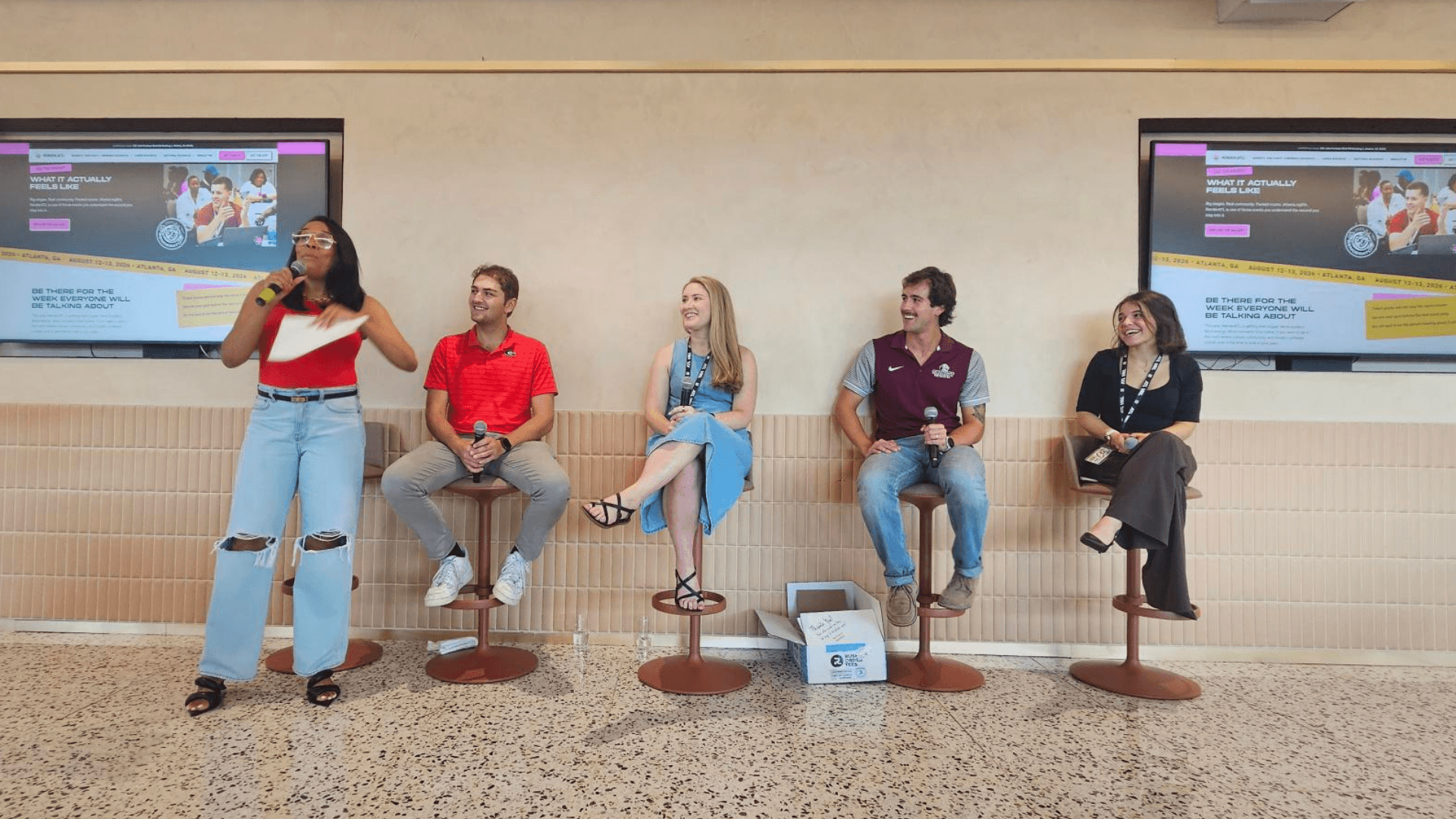
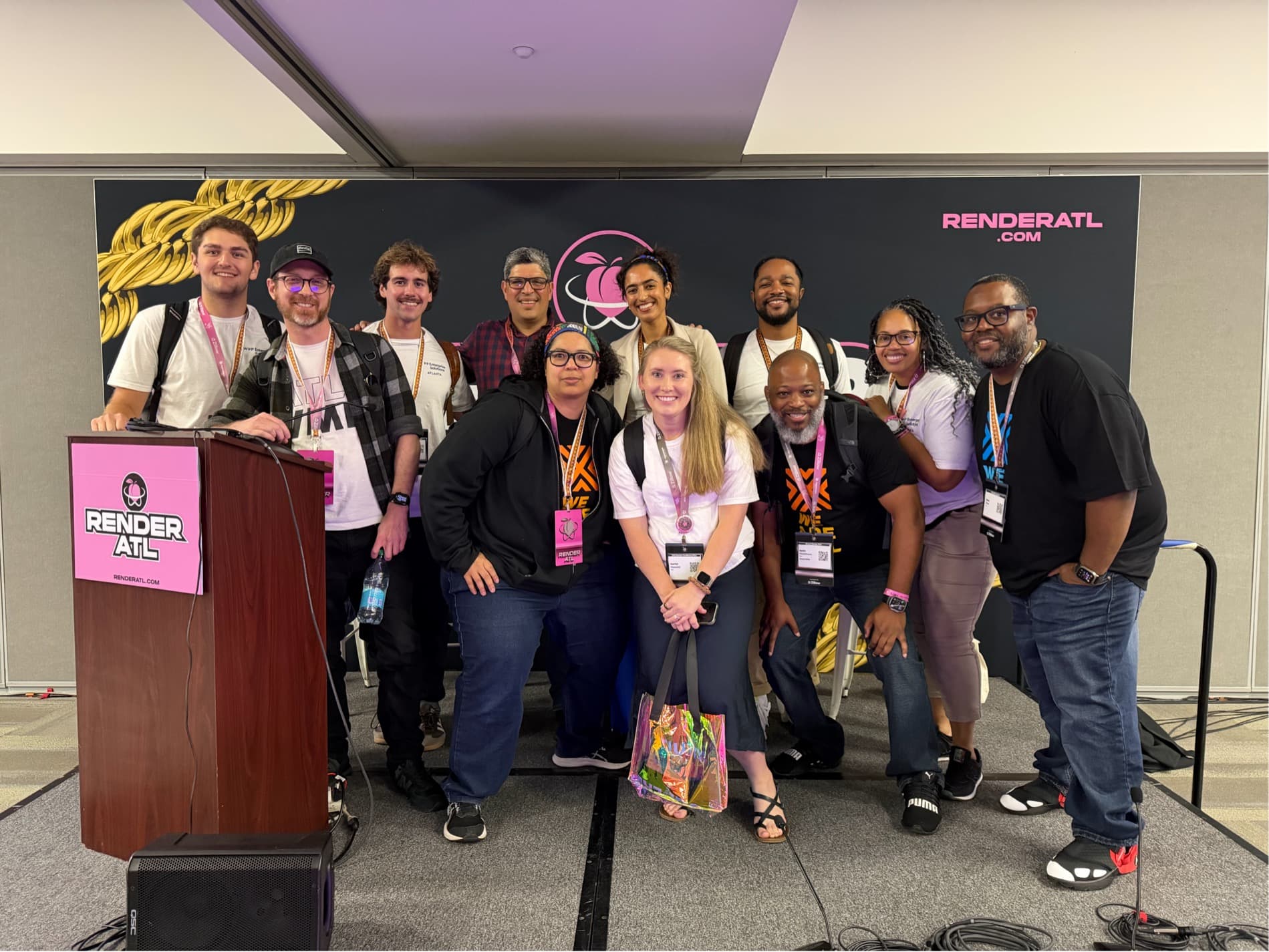
The week kicked off with a vibrant celebration of community, culture, and mentorship. In support of Atlanta Tech Week and RenderATL, our Atlanta office hosted a packed panel and Q&A session for students and recent graduates preparing for careers in marketing, advertising, and technology.
The audience brought candid questions regarding early-career navigation, how technology is actively reshaping creative execution, and how to debunk age-old industry misconceptions. To further support diverse voices entering the ecosystem, VML and WPP sponsored six outstanding scholars to attend RenderATL, embedding them directly into one of the country's most energetic tech gatherings.
The takeaway was undeniable: the future of creative technology depends on fostering talent that understands how to blend cultural relevance with technical rigor.
2. In Production: Building Autonomous AI Teammates with AWS & Claude Code
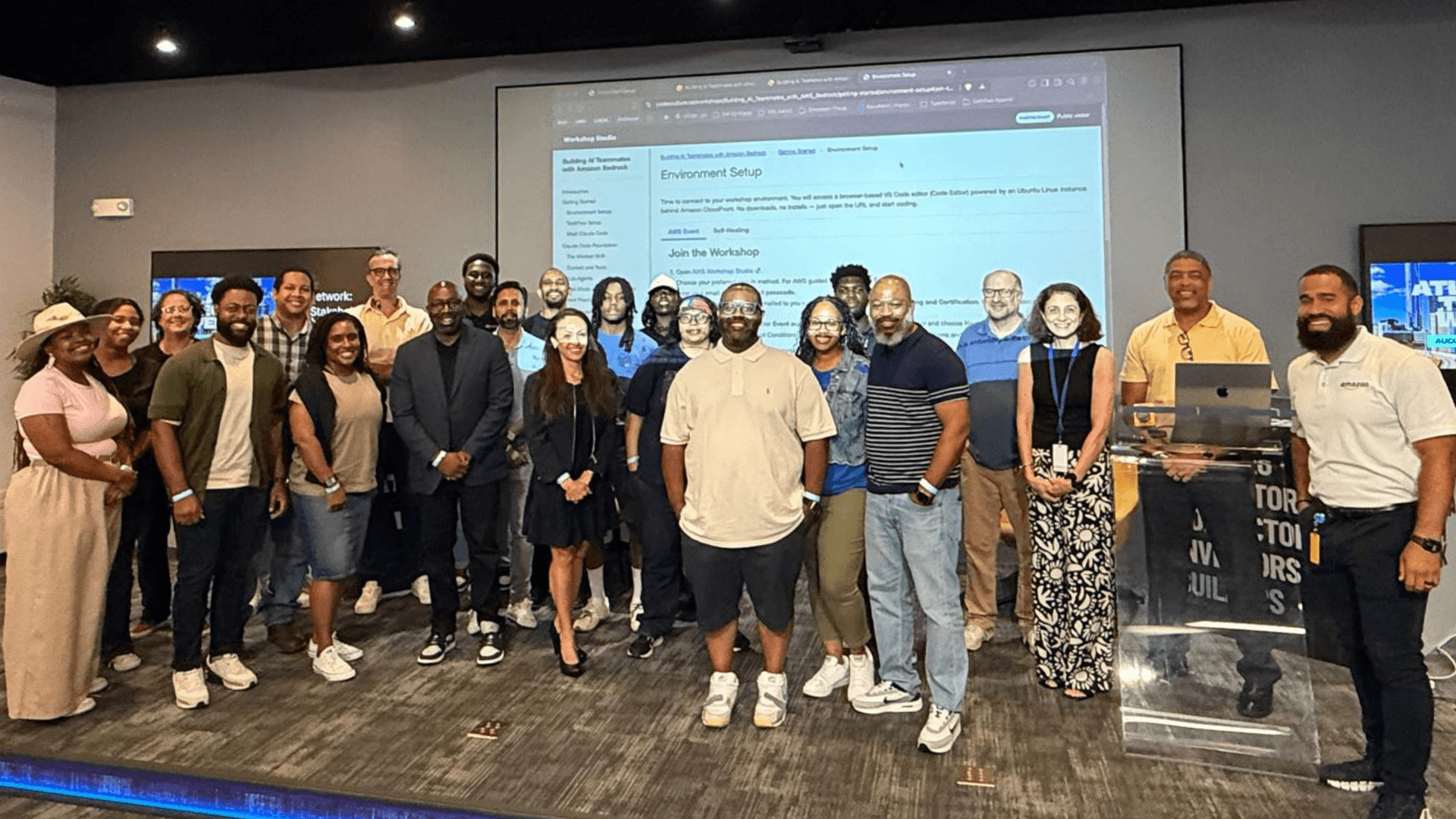
Beyond career development, the week featured deep-dive technical execution. WPP Enterprise Solutions technologists Keith Hutchinson and Sean Dees partnered with Amazon Web Services (AWS) to host an interactive, hands-on workshop focused on transforming software development through agentic AI.
The core premise of the workshop centered on taking the SDLC (Software Development Lifecycle) literally—where each phase’s output serves directly as the next phase’s input. Rather than relying on ephemeral chat sessions, participants built durable artifact chains using Amazon Bedrock and Claude Code.
Key Workshop Takeaways:
3. Beyond UX and DX: Entering the Era of Agent Experience (AX)
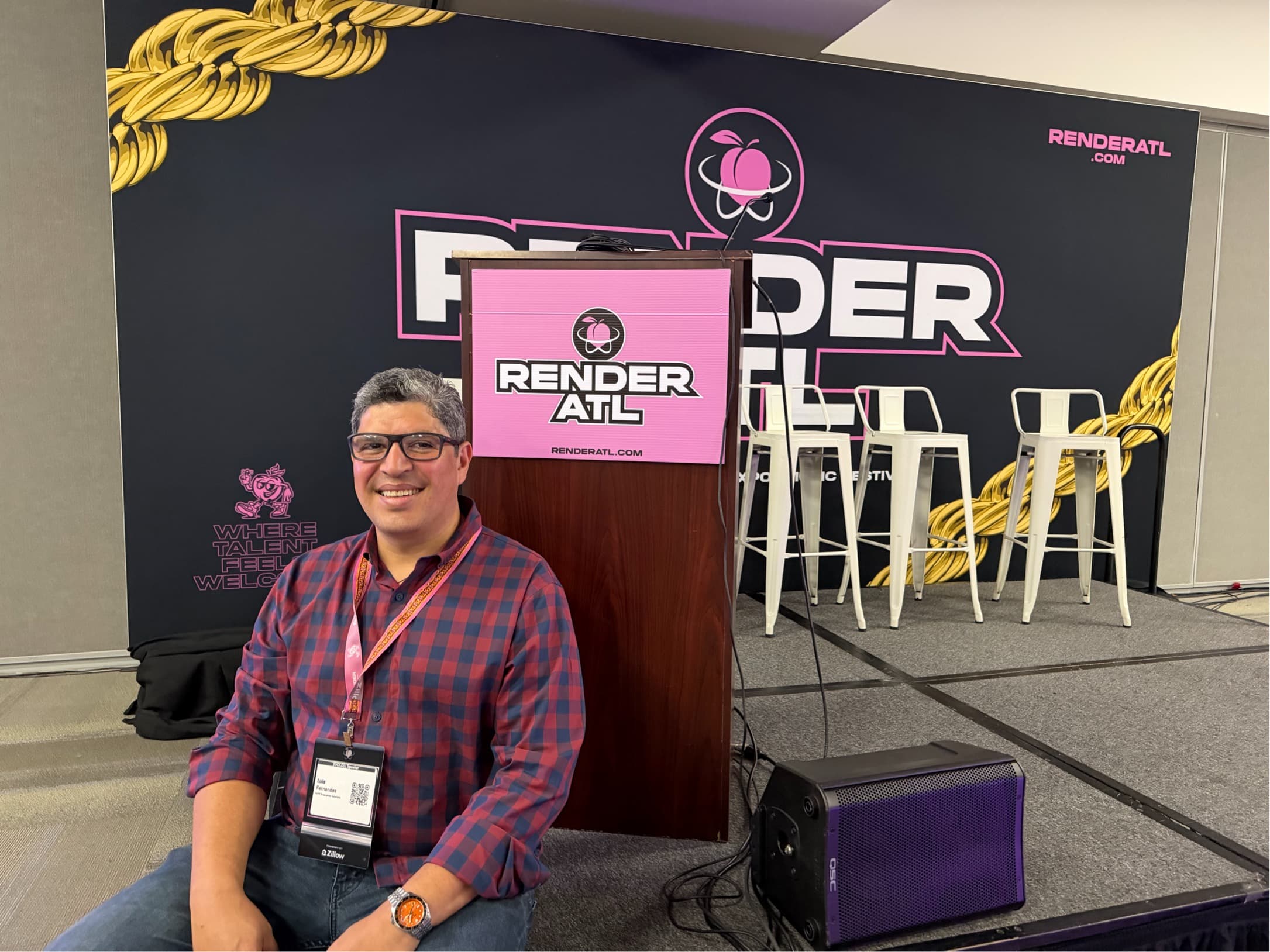
As user agents and autonomous bots now account for over half of web traffic, system architecture must evolve. In his RenderATL presentation—Beyond UX and DX, let's greet AX (Agent Experience)—VML Executive Technology Director Luis Fernandez challenged the industry to rethink who we are building for.
For the first time, the word 'user' makes literal sense—because your next user may very well not be a human, but an AI agent acting on their behalf.
While loyal human consumers might forgive a clunky user experience or slow checkout, a shopping agent is neither patient nor loyal. If data isn't structured, explicit, and machine-readable, the agent simply selects a competitor.
The 4 Principles Driving Agent Experience (AX):
Relatability: Is the data and API structure recognizable and predictable to an autonomous agent?
Explainability: Can the system’s logic and underlying rules be clearly understood without human intervention?
Negotiability: Does the system provide flexible paths and options for an agent to execute choices safely?
Credibility: Is the data source verified, accurate, and trustworthy?
Mastering AX requires converting implicit, unwritten organizational knowledge into explicit, governed systems—ensuring multi-layered agent networks can choose, act, and recover safely on behalf of the humans they serve.
4. The Enterprise Reality: A Perspective from David Mitchell, CTO of WPP Enterprise Solutions NA
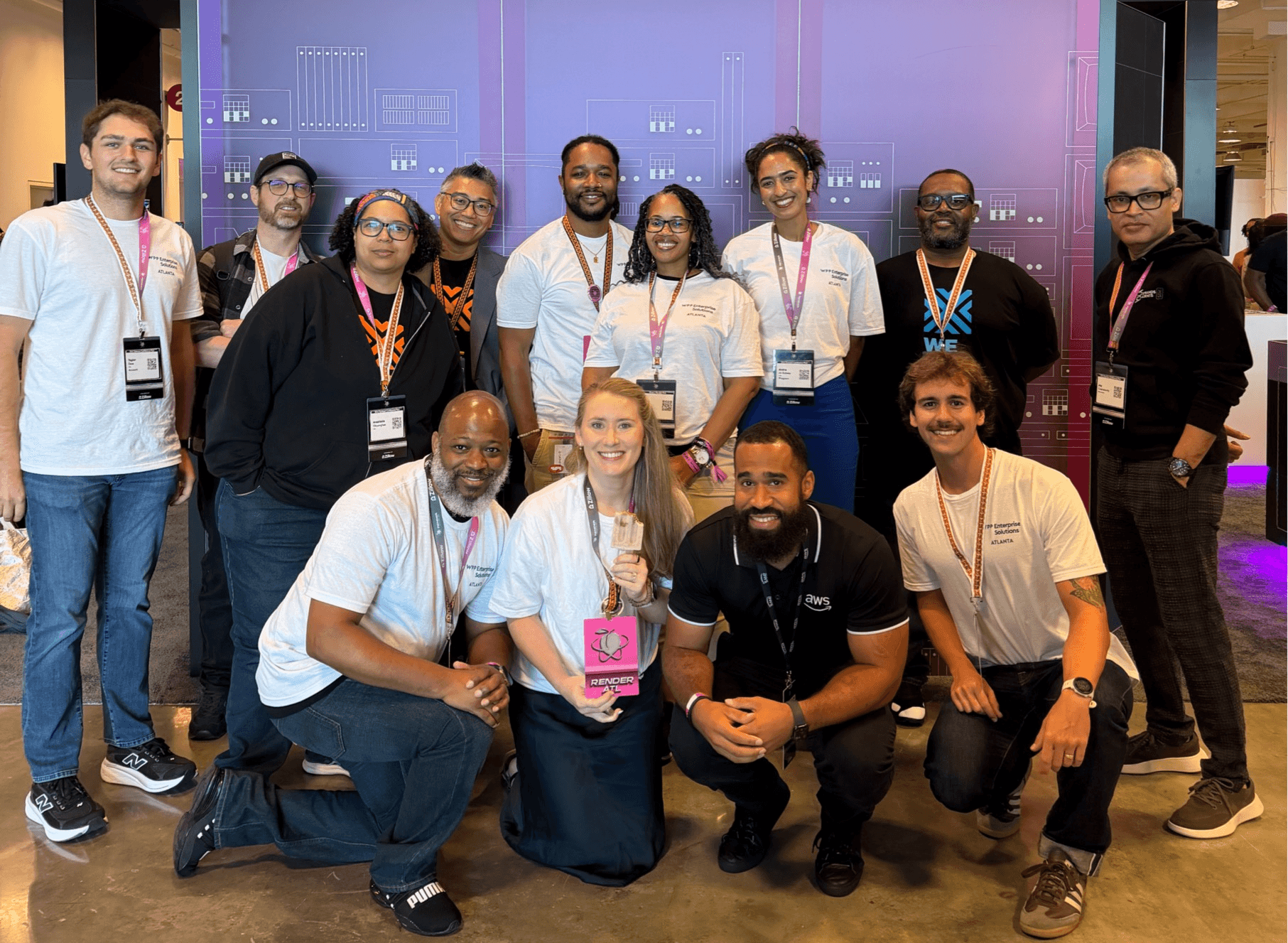
All these threads—from the groundswell of talent in Atlanta to hands-on agentic pipelines and Agent Experience—converge at a single critical destination: how enterprise brands translate AI momentum into safe, governed production.
Having spent time deploying agentic software delivery at scale for world-leading brands, David Mitchell, Chief Technology Officer of WPP Enterprise Solutions North America, shares his definitive POV on navigating dual AI transformations, the lessons learned in production, and why Amazon Bedrock serves as the natural foundation for this shift:
Every enterprise technology leader is running at least two AI transformations at once: the first changes how teams build software, and the second brings AI directly into the software products their customers use. At WPP Enterprise Solutions, we work both sides of this shift for some of the world’s biggest brands. Our teams, empowered with agentic, harness plan, build, test, review, and document software with clear governance. We start with our open-source Journey-Driven Development process and bring in processes and tools like Amazon’s AI-DLC workflows.
After over a year running agentic delivery in production, three lessons hold:
Redesign the process with your tools. AI-forward teams need different ceremonies and artifacts. Collapse the time between decisions to deliver results faster.
Keep human review and assist with LLM-as-a-judge. Our clients hold us to a standard of quality and safety that means enforced review and approval gates supported with insights to avoid drowning in AI output. It also means moving from quality assurance to human-first automation of quality (AQ > QA).
Build safety in on day one, not after an incident forces the issue. Give agents identity, scope least-privilege credentials, and build toward an AI control plane. That means a governed model gateway, a registry of tools and integrations, and shared skills and prompt libraries. Every agent action traces back to a session, a feature, a user, and a cost.
Amazon Bedrock is a natural foundation for this work. It gives teams governed access to a range of foundation models, so the most capable, and usually most expensive, model handles planning and architecture, while cheaper models handle implementation, testing, and documentation.
This won’t happen by decree; it starts with a baseline: your current cycle time, an audit trail of what your agents did last week, and an answer for what happens when an agent reaches a decision only a human should make. If these are hard to answer today, that’s where our journey begins.
Moving Forward
As Atlanta Tech Week demonstrated, the future of technology isn't just about faster code or smarter models—it's about building unified, governed growth systems that scale safely.
Interested in assessing your organization's AI-DLC maturity or exploring agentic software delivery?
Connect with the WPP Enterprise Solutions team to begin your journey.
Meet the author