
Case study
Halfords
Discover how our AI-first SDLC helped Halfords boost development, reduce team costs and maintain platform uptime.
Multiple platforms, markets and 100M+ customers. Find out how we unified IKEA's global data to boost marketing effectiveness in just 18 months.

With 100M+ customers across more than 30 markets and 18 disconnected platforms, IKEA had the data, but no way to put it to work.
IKEA serves more than 100M+ customers across more than 30 markets. But its scale had outpaced its infrastructure. Every market ran its own marketing operations, on its own data, through its own platform, 18 platforms in all. Customer data sat in 18 separate places, which meant it was effectively nowhere. There was no single view of any one customer, in any market. A brand known by millions of people didn’t know any of them well.
That gap had a cost. Marketing budgets were spent against generic segments instead of real people. Local teams duplicated each other's work. Moments that should have driven loyalty, a first purchase or a home move for example, passed by unrecognized. But IKEA didn't have a marketing problem; it had a data problem wearing a marketing problem's clothes. The question it couldn't answer alone: how do you turn the data you already own into a relationship with every customer who gave it to you?

Design
IKEA had asked how to scale local marketing, but WPP Enterprise Solutions saw a different question underneath: how to be one IKEA to 100M+ customers. That reframe determined the design. Rather than make 30 local marketing operations individually better, WPP Enterprise Solutions designed one global engagement system that every market could draw from, governed by a Common, Adaptive, Specific (CAS) model. Common: a shared core of strategy, journey templates, and data standards every market runs on. Adaptive: programs markets can adjust to local context. Specific: room for the campaigns that a single market needs but others don't. Global consistency and local relevance stopped clashing.
Build
WPP Enterprise Solutions and IKEA then orchestrated the build across functions, partners, and 30+ markets at a pace the team itself considered a record. A single global marketing platform replaced all 18 disparate ones. Customer data was consolidated onto one cloud foundation. More than 150 customer moments were mapped, prioritized, and built into trigger programs. Every IKEA market was onboarded and every local team trained. A transformation of this scale would normally take years. The full system went live in 18 months.
Operate
Today, the system powers customer engagement for IKEA worldwide. More than 3,000 trigger programs are live. Hundreds of personalization experiments run every month, each one informing what the system does next. The data foundation that began with CRM now extends into commerce, paid media, and content production, every new use drawing on the same core and making the next one faster. The system gets better the longer it operates.

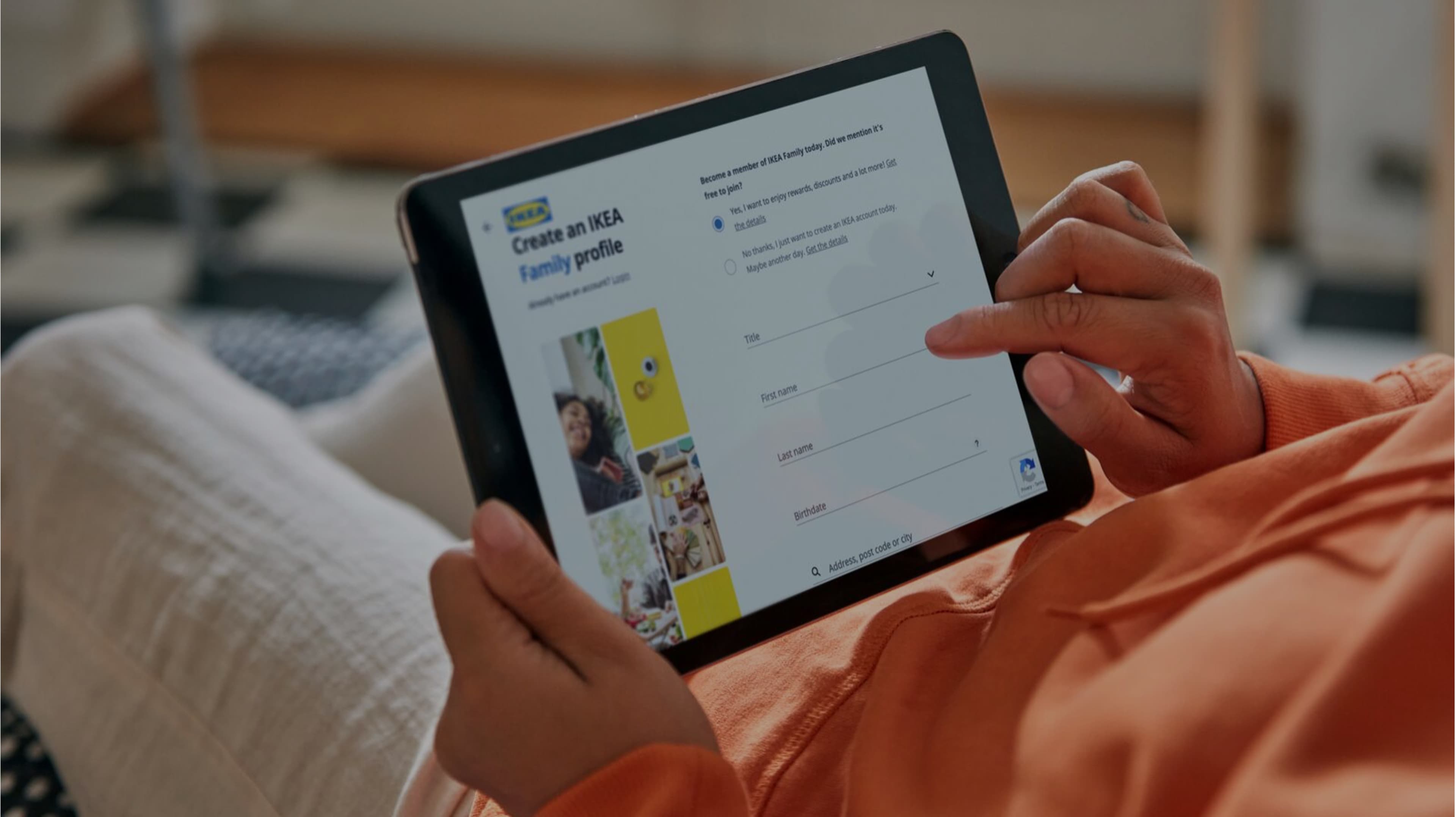

IKEA set a clear target: a 20% improvement in marketing effectiveness. The system hit that inside the first year, while reducing costs by 20%. The CRM foundation returned 1:40 on investment. Eighteen platforms became one. 30+ markets moved onto a single model. More than 3,000 trigger programs went live, reaching 100M+ customers with engagement built around who they actually are.
That focus is what made the partnership work. WPP Enterprise Solutions challenged IKEA when it mattered, and IKEA challenged back, describing it as "a healthy and good debate." The result wasn't a solution handed off to a client. It was a growth system both teams built together, and one IKEA continues to run on today, more than seven years later.
The clearest proof of a growth system is what it produces that no one originally designed it to. IKEA's data foundation was built for CRM. Today it trains predictive models that direct paid media and powers personalized content production at scale that wasn't on the original roadmap. Each new capability inherits everything built before it - the data, the operating model, the connections - and reaches value faster as a result.
A traditional transformation project ends at go-live. This one keeps opening up possibilities. For IKEA, the question is no longer how to act on its data. It's how far the growth system can take them next.
They felt like part of the team. From a culture and values perspective, they were very similar to who IKEA is, and that alignment made the work better.
Find out how we can help you build real, lasting growth.
Growth is built from the right solutions working together. Strategy aligned with execution, creativity connected to technology, ideas built to scale.